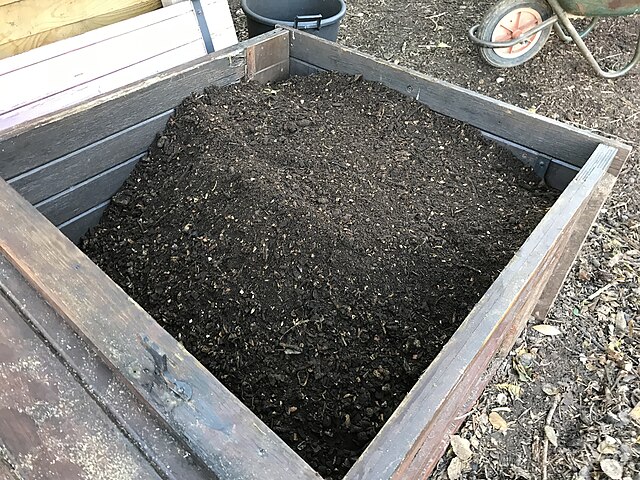
Composting, a natural process that transforms organic waste into a nutrient-rich soil conditioner, is a fascinating and beneficial practice that can be adopted by everyone, from the individual homeowner to large agricultural operations. Not only does it contribute to waste reduction, but it also enhances soil health and reduces the need for chemical fertilizers.
The Composting Process
Composting is a process that involves the decomposition of organic material by microorganisms. These organisms break down the material into simpler substances, producing heat, carbon dioxide, and compost in the process. The composting process generally involves four key components: organic matter, moisture, oxygen, and bacteria.
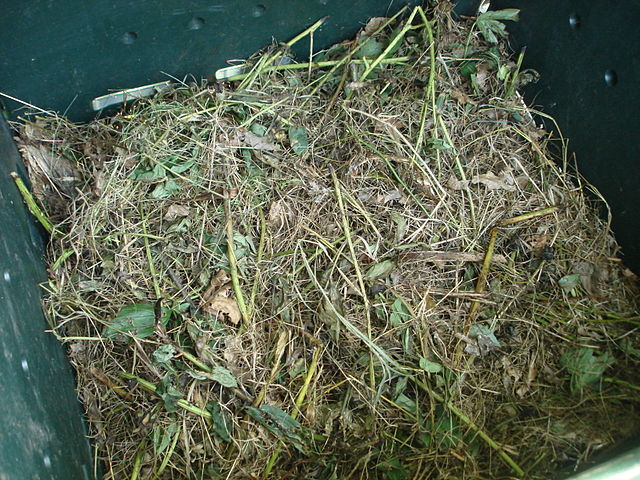
Organic matter consists of plant and animal materials such as leaves, grass clippings, vegetable scraps, coffee grounds, eggshells, and more. These materials are often classified into two categories: “greens” and “browns”. Greens provide nitrogen and include materials like vegetable scraps, coffee grounds, and fresh grass clippings. Browns provide carbon and include materials like dry leaves, straw, and paper or cardboard. A good compost pile should have a balance of both.
Moisture is necessary for the composting process because the microorganisms that break down the organic material need water to survive and function. The compost pile should be as damp as a wrung-out sponge, and may need to be watered occasionally to maintain the proper moisture level.
Oxygen is needed for aerobic bacteria to thrive. These bacteria are responsible for decomposing the organic material. Oxygen can be introduced to the compost pile by turning it with a pitchfork or similar tool every few weeks.
Bacteria, along with other microorganisms like fungi and protozoa, are the workhorses of the composting process. They consume the organic material in the compost pile and break it down into simpler substances. As they work, they produce heat, which speeds up the decomposition process and kills pathogens and weed seeds in the compost pile.
Challenges of Composting
Although composting is a natural process, it does come with its set of challenges. One of the main challenges is maintaining the right balance of greens and browns. Too many greens can lead to a smelly, slimy compost pile, while too many browns can slow down the composting process. The ideal ratio is about 3:1 browns to greens.
Another challenge is maintaining the right moisture level. If the compost pile is too dry, the decomposition process will slow down. If it’s too wet, it can become smelly and anaerobic conditions can develop. The compost pile should be kept as moist as a wrung-out sponge.
Pests can also be a problem, particularly if inappropriate items are added to the compost pile. Meat, dairy, and other animal products should be avoided as they can attract rodents and other pests.
Despite these challenges, with a little bit of knowledge and effort, anyone can maintain a healthy compost pile.
Benefits of Composting
Composting offers a multitude of benefits. First and foremost, it reduces the amount of waste that goes to the landfill. Organic waste makes up a significant portion of the waste stream, and composting these materials at home can make a big difference.
Additionally, compost enhances soil health. It adds nutrients to the soil, improves its structure, increases its ability to hold water, and encourages the growth of beneficial microorganisms. This can lead to healthier, more productive plants.
Composting also reduces the need for chemical fertilizers, which can have negative environmental impacts. The nutrients in compost are released slowly over time, providing a steady supply of nutrients to plants.
Finally, composting can save money. By composting at home, you can reduce the amount of waste you produce, potentially lowering your trash bill. You
can also save money on garden soil and fertilizers by using your homemade compost.
Composting in Action: Tips and Tricks
Creating your compost pile in a convenient spot is key – it should be easily accessible but not too close to living spaces due to the natural odors that composting can produce. You can start your compost pile directly on bare ground, allowing worms and other beneficial organisms to aerate the compost and be transported to your garden beds.
Layer your compost pile by starting with a layer of browns – for example, twigs or straw – to aid drainage and aeration. After this, you can alternate between layers of greens and browns. Remember the ideal ratio is 3:1 browns to greens.
Don’t forget to water your compost pile periodically, or let rain do the job, to maintain its necessary moisture level. Covering the compost with a tarp can help retain moisture and heat, two essentials for composting.
Turning your compost pile is another important step. This helps to aerate the pile and speeds up the composting process. You can do this with a pitchfork or a shovel.
Conclusion
Composting is a rewarding practice that offers numerous benefits. While it may present certain challenges, with a little bit of patience and care, these can be easily overcome. By composting, you’re not only creating a rich supplement for your garden, you’re also participating in a natural recycling process, reducing landfill waste, and taking a step towards a more sustainable lifestyle.
Composting is more than just waste reduction. It’s about closing the loop in our consumption and waste generation, returning valuable nutrients back to the soil to help grow new life. It’s about creating a sustainable, healthy system that benefits us and the environment. It’s about turning waste into wealth.
References
- “Composting At Home” – U.S. Environmental Protection Agency (EPA) – https://www.epa.gov/recycle/composting-home
- “Composting” – United States Department of Agriculture (USDA) – https://www.nrcs.usda.gov/wps/portal/nrcs/main/national/soils/health/
Frequently Asked Questions About Composting
1. What is composting?
Composting is the natural process of decomposing organic material into a rich soil conditioner. It involves the action of microorganisms, such as bacteria, fungi, and protozoa, which break down the material and produce heat, carbon dioxide, and compost. You can learn more about this process on the EPA’s composting page.
2. What materials can I compost?
You can compost a variety of organic materials, classified into “greens” and “browns”. Greens, which provide nitrogen, include vegetable scraps, coffee grounds, and fresh grass clippings. Browns, which provide carbon, include dry leaves, straw, and paper or cardboard. The USDA provides a comprehensive list of compostable materials.
3. Are there materials I should avoid composting?
Yes, you should avoid composting meat, dairy, and other animal products as they can attract pests. Also, avoid composting diseased plants, as the disease can survive the composting process and infect your garden. More on what not to compost can be found at the University of California Cooperative Extension pdf that provides a list of materials to avoid for composting.
4. How often should I turn my compost pile?
It’s recommended to turn your compost pile every few weeks. Turning helps to aerate the pile and speeds up the composting process. The EPA provides more information about the role of aeration in composting.
5. How long does it take for materials to compost?
The composting process can take anywhere from 2 months to 2 years, depending on the materials you’re composting and the conditions of your compost pile. Factors that can speed up the process include turning the pile regularly, maintaining the right moisture level, and achieving a good balance of greens and browns. More about this process can be found on the USDA’s composting page.
6. How can I tell when my compost is ready?
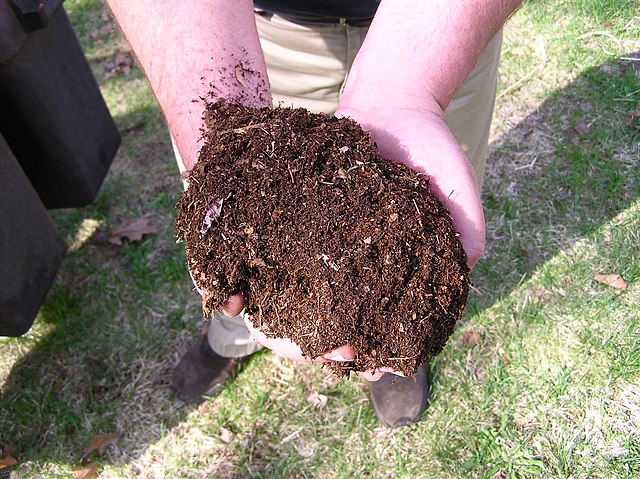
Finished compost is dark, crumbly, and has a earthy smell. It should no longer heat up, even after it’s been turned. The EPA provides a guide to identifying finished compost.
7. Can I compost in a small space?
Yes, you can compost in a small space. There are many methods of composting that work well in small spaces, including worm composting (vermicomposting) and bokashi. You can learn more about vermicomposting at the University of Illinois Extension’s page.
8. Is composting smelly?
If properly maintained, a compost pile should not be overly smelly. A compost pile that is too wet or has too many greens can develop a foul smell. If this happens, add more browns and turn the pile to introduce more oxygen. More about managing compost odors can be found on the EPA’s composting page.
9. Can composting attract pests?
A compost pile can attract pests if it contains inappropriate items like meat, dairy, and other animal products. However, if you stick to
compostable items like vegetables, fruits, and yard waste, and maintain your compost properly, you shouldn’t have a problem with pests. Learn more about preventing pests in your compost pile on Gardening Know How’s page on compost pests .
10. How can I use compost in my garden?
Compost is a versatile soil amendment that can be used in a number of ways. You can mix it into garden soil to improve its structure and nutrient content, use it as a mulch to help conserve moisture and suppress weeds, or use it to make compost tea, a nutrient-rich liquid that can be used to water plants. For more information on how to use compost in your garden, refer to the EPA’s guide to using compost.
11. Can composting help mitigate climate change?
Yes, composting can help mitigate climate change by reducing the amount of organic waste that ends up in landfills, where it produces methane, a potent greenhouse gas. Additionally, the use of compost in agriculture can help sequester carbon in soil, reducing the amount of carbon dioxide in the atmosphere. Learn more about the role of composting in climate change mitigation on the EPA’s composting and climate change page.
12. How does composting benefit the environment?
Composting benefits the environment in several ways. It reduces the amount of waste that goes to landfills, conserves resources by recycling nutrients, and helps build healthy, productive soil. Composting also helps reduce the need for synthetic fertilizers, which can contribute to water pollution. More about the environmental benefits of composting can be found on the EPA’s composting benefits page.
 Carolina Permaculture