
Hardyplants at English Wikipedia
As gardeners and stewards of the Earth, we all have a part to play in preserving and fostering the delicate balance of nature. One essential component of this balance lies in the tiny, tireless workers that keep our ecosystems flourishing: pollinators. These incredible creatures, including bees, butterflies, and hummingbirds, play a crucial role in the pollination of plants, which ultimately contributes to the production of the fruits, vegetables, and nuts that nourish us and countless other species. In a permaculture garden, pollinators not only support the health of the garden itself but also help to create a vibrant, biodiverse environment that thrives in harmony with nature.
As we increasingly recognize the importance of pollinators and the challenges they face, such as habitat loss and the widespread use of pesticides, it is essential to create spaces where they can thrive. In this article, we will explore the vital role of pollinators in permaculture gardens and how we can design and cultivate our own pollinator-friendly havens. By providing the right mix of plants, water, shelter, and pesticide-free practices, we can encourage these beneficial insects and birds to visit our gardens, ultimately promoting a more sustainable, resilient, and bountiful ecosystem.
The Science Behind Pollinators: Understanding the relationship between pollinators, plants, and ecosystem health
Pollinators play a vital role in the natural world by transferring pollen from one plant to another, enabling fertilization and the production of seeds, fruits, and other plant structures. This process, known as pollination, is essential for the reproductive success of over 85% of flowering plants, including many of the fruits, vegetables, and nuts that we rely on for food ( https://www.fs.usda.gov/managing-land/wildflowers/pollinators/importance). Pollinators are also important for the health and resilience of natural ecosystems, as they help maintain plant diversity and support the complex food webs that sustain countless species of birds, mammals, and insects.
Bees are perhaps the most well-known and prolific pollinators, but butterflies, moths, beetles, flies, and hummingbirds also contribute significantly to pollination efforts. Each of these creatures has unique characteristics and behaviors that make them particularly adept at pollinating certain types of plants. For instance, bees are especially efficient at pollinating flowers with a tubular shape, while butterflies and hummingbirds are drawn to brightly colored, nectar-rich blooms ( https://www.fs.usda.gov/wildflowers/pollinators/animals/index.shtml).
However, pollinators face numerous challenges, including habitat loss, climate change, and exposure to pesticides. This has led to declines in pollinator populations worldwide, with potentially severe consequences for ecosystems and food production ( https://www.fws.gov/initiative/pollinators/threats). By understanding the crucial role that pollinators play in our environment and taking steps to create pollinator-friendly habitats, we can help support the health and survival of these essential creatures and the ecosystems they underpin.
To learn more about the fascinating world of pollinators and their importance to our environment, visit resources such as the U.S. Forest Service’s Pollinator page and the Xerces Society for Invertebrate Conservation. These organizations offer a wealth of information on pollinators, their ecology, and how to support them in our gardens and communities.
Planning for Success: Designing a pollinator garden with seasonal appeal to ensure year-round attraction
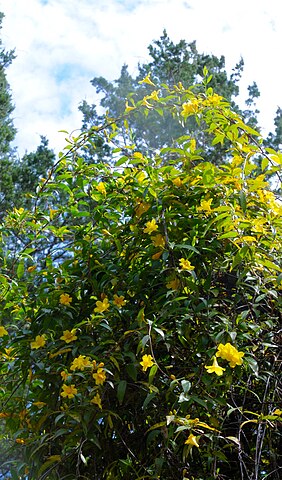
Creating a pollinator garden with year-round appeal in the southeastern United States involves careful planning and selection of plants that will bloom and provide resources for pollinators throughout the seasons. By offering a continuous supply of nectar, pollen, and shelter, you can attract a diverse array of pollinators and support their populations all year round.
**Spring: Early bloomers to kickstart the pollinator season**
Spring is a critical time for pollinators, as they emerge from their winter rest and begin searching for food to replenish their energy stores. To support these early foragers, choose plants that bloom in early spring, such as Carolina jessamine, Eastern redbud, and native azaleas. Native trees and shrubs like dogwood, spicebush, and American holly also provide valuable resources for pollinators during this season.
**Summer: Heat-tolerant, nectar-rich flowers to sustain pollinators**
During the summer months, pollinators need an ample supply of nectar and pollen to support their activities. Heat-tolerant, nectar-rich flowers like black-eyed Susan, purple coneflower, and butterfly weed are excellent choices for attracting pollinators. Native plants, such as swamp milkweed and Joe-Pye weed, are particularly important for supporting local pollinator populations, as they have co-evolved with the native insects and offer the most appropriate resources.
**Fall: Late-blooming plants to support pollinators preparing for winter**
As the days grow shorter and cooler, pollinators are busy preparing for winter. Fall-blooming plants like goldenrod, asters, and ironweed can provide essential nourishment to help them store energy and survive the colder months. These late-season blooms are especially important for migratory pollinators like monarch butterflies, which rely on nectar-rich flowers to fuel their long journeys south.
**Winter: Evergreens and other plants that provide shelter and food sources during colder months**
While many pollinators are inactive during the winter, some species, such as certain bees and butterflies, remain active in milder climates or seek shelter to survive the cold. Providing winter interest in your pollinator garden not only adds beauty to your landscape but also offers vital shelter and food sources for overwintering pollinators. Evergreens, like Southern magnolia and Eastern red cedar, offer dense cover, while plants with seed heads, such as native sunflowers and ornamental grasses, provide food for birds and other wildlife.
Creating Habitat Diversity: Incorporating different plant heights, textures, and colors to attract a variety of pollinators
Incorporating a diverse range of plants in your pollinator garden not only creates a visually appealing landscape but also helps attract a variety of pollinators, each with their unique preferences and needs. By providing an assortment of plant heights, textures, and colors, you can cater to different pollinator species and support a vibrant and thriving ecosystem.
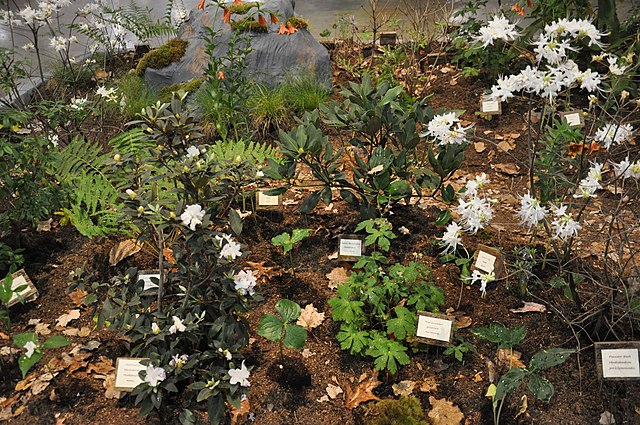
A mix of plant heights, from ground covers and perennials to shrubs and trees, ensures that your garden offers suitable nesting and resting sites for various pollinator species. For example, bumblebees often nest in the ground, while solitary bees may use hollow plant stems or cavities in trees (https://www.pollinator.org/learning-center/gardens). Similarly, butterflies and other pollinators may use taller plants as perches or as windbreaks to shield themselves from strong gusts (https://njaes.rutgers.edu/fs1220/)).
In addition to varying plant heights, incorporating a range of flower shapes, colors, and textures can help attract diverse pollinators. Bees are drawn to blue, purple, and yellow flowers, while butterflies prefer red, orange, and pink blooms. Hummingbirds are attracted to tubular, brightly colored flowers, which are well-suited to their long bills and hovering feeding habits ((https://edis.ifas.ufl.edu/publication/in1223)). By offering an array of flowers that cater to the specific needs of different pollinators, you can create a thriving, biodiverse habitat that contributes to a healthy and resilient ecosystem.
Providing Water and Shelter: How to set up a safe, welcoming environment for pollinators in your garden
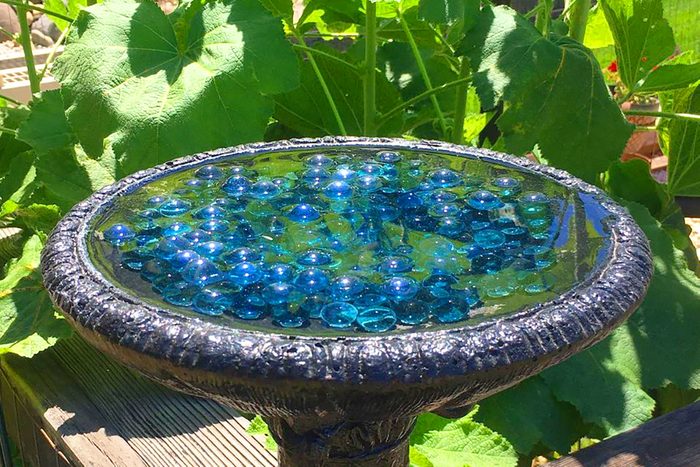
In addition to providing a diverse range of plants for nectar and pollen, it’s crucial to create a safe and welcoming environment for pollinators by offering water and shelter. These resources not only help sustain pollinator populations but also encourage them to establish their habitats within your garden, ensuring that your efforts to support these beneficial creatures are successful and long-lasting.
To provide water for pollinators, consider setting up a shallow water source, such as a birdbath or a small dish with stones or pebbles for insects to land on. This will allow pollinators like bees and butterflies to drink without the risk of drowning. Be sure to clean the water source regularly to prevent the buildup of algae and bacteria, and refill it with fresh water, especially during hot, dry periods ((https://www.pollinator.org/learning-center/gardens)). Adding a small solar-powered fountain or dripper can help keep the water fresh and moving, which may attract more pollinators while preventing mosquito breeding.
Providing shelter is also essential for pollinators, as it offers protection from predators, weather, and human disturbances. In addition to incorporating a mix of plant heights and densities to create natural shelter, consider installing bee houses, butterfly houses, or brush piles that cater to the specific needs of different pollinator species. By offering nesting and overwintering sites, you can encourage pollinators to establish their homes within your garden, contributing to a more resilient and biodiverse ecosystem.
Pesticide-Free Gardening: Emphasizing the importance of organic practices to protect pollinators and the ecosystem
Adopting organic practices and avoiding the use of synthetic pesticides in your garden is a critical step in creating a safe and healthy environment for pollinators and other beneficial creatures. Pesticides can harm or even kill pollinators, which may lead to declines in their populations and have cascading effects on the wider ecosystem (https://www.epa.gov/pollinator-protection/pesticides-and-pollinators). By embracing pesticide-free gardening techniques, you can protect these essential creatures while also promoting a more sustainable and resilient landscape.
Instead of using chemical pesticides, focus on implementing integrated pest management (IPM) strategies to control pests and maintain the health of your garden. IPM techniques include selecting pest-resistant plant varieties, encouraging natural predators like ladybugs and lacewings, and using physical barriers such as row covers to protect plants from damage (https://www.epa.gov/safepestcontrol/integrated-pest-management-ipm-principles). If pest control becomes necessary, opt for organic or least-toxic solutions like insecticidal soap, neem oil, or horticultural oil, which are less harmful to pollinators and other beneficial insects).
It’s also important to practice good garden hygiene and maintain the health of your plants, as stressed or weakened plants are more susceptible to pests and diseases. Regularly remove dead leaves, prune damaged branches, and ensure that your plants receive proper watering and nutrition to keep them strong and resilient. By adopting organic practices and prioritizing the well-being of pollinators and the larger ecosystem, you can create a thriving, sustainable garden that benefits both people and wildlife.
Inspiring Stories: Highlighting real-life examples of successful pollinator gardens and their impact on local ecology
Across the country, there are countless inspiring examples of successful pollinator gardens and their positive impact on local ecology. These gardens not only serve as havens for pollinators but also demonstrate the power of grassroots efforts to make a difference in supporting biodiversity and promoting sustainable landscapes.
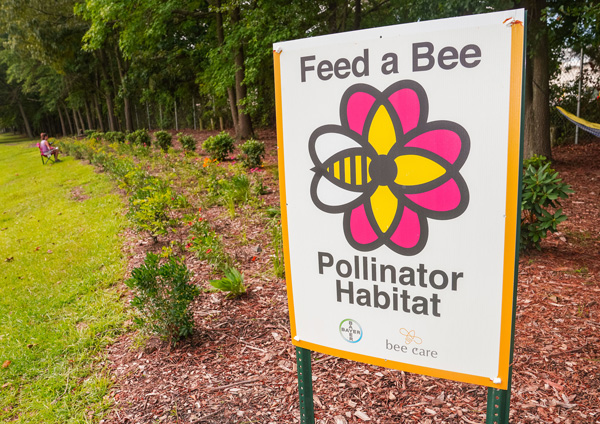
One such example is the Bee Campus USA program, which encourages colleges, universities, and other educational institutions to create pollinator-friendly habitats on their campuses. The program, started by the Xerces Society, has certified more than 120 campuses across the United States, transforming thousands of acres of land into thriving pollinator habitats ( https://beecityusa.org/bee-campus-usa-commitments/). These efforts not only provide crucial resources for pollinators but also foster a sense of stewardship and environmental responsibility among students, faculty, and staff.
In residential neighborhoods, homeowners are also making a difference by converting their yards into pollinator-friendly landscapes. The Million Pollinator Garden Challenge, a nationwide initiative launched by the National Pollinator Garden Network, aimed to inspire individuals, schools, and communities to create one million pollinator-friendly gardens by the end of 2020. The campaign surpassed its goal, with more than 1.1 million registered gardens, demonstrating the collective impact of small-scale efforts to support pollinators and the environment (https://millionpollinatorgardens.org/). These inspiring stories remind us that every garden, no matter how small, can play a vital role in protecting pollinators and fostering a more sustainable, biodiverse world.
Creating a pollinator haven that supports bees, butterflies, and hummingbirds throughout the year is a rewarding and meaningful way to contribute to the health of our environment. By carefully selecting plants that bloom in different seasons, providing water and shelter, and adopting organic gardening practices, you can create a thriving ecosystem in your own backyard. Not only will your efforts support these vital creatures and their indispensable roles in pollination, but you’ll also enjoy the beauty, vibrancy, and life that they bring to your garden.
As you embark on this journey, remember that every small step you take can make a significant difference in the lives of pollinators and the broader ecosystem. By sharing your passion for pollinator-friendly gardening with friends, neighbors, and community members, you can inspire others to join in this essential mission. Together, we can create a network of supportive habitats that help safeguard pollinator populations and contribute to a more sustainable, biodiverse world for generations to come.
 Carolina Permaculture