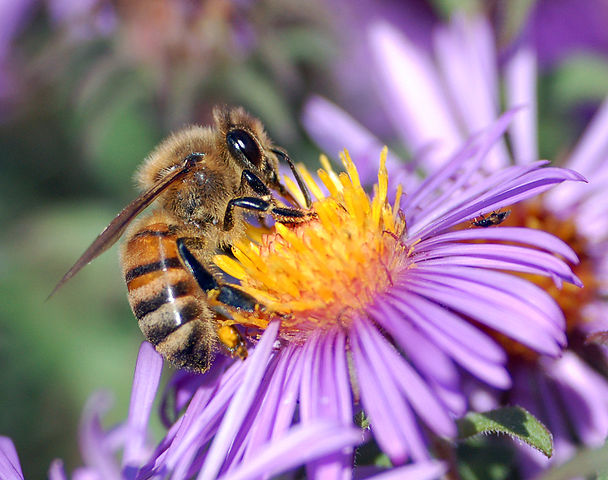
Are you struggling to attract pollinators to your garden, or just looking for ways to help create a healthier ecosystem? You’re not alone. Many homeowners who care about stewardship, permaculture, and sustainable living face similar challenges, especially in warmer climate areas. In this blog post, we’ll walk you through the steps to create a pollinator garden that not only attracts bees, butterflies, and other crucial pollinators but also supports a thriving, sustainable environment.
As gardeners and eco-friendly individuals, we’re becoming more aware of the essential role pollinators play in keeping ecosystems healthy and ensuring we have access to our favorite fruits, vegetables, and nuts. However, the decreasing pollinator populations due to habitat loss, pesticide exposure, and climate change raise concerns about our food supply’s sustainability and the environment’s overall health.
To tackle this issue, we can act on our own, especially if we value permaculture practices and sustainable living. We can transform our outdoor spaces into sanctuaries for pollinators and help reverse their population decline. The challenge is understanding how to create a beautiful, productive, and sustainable pollinator garden that positively impacts the surrounding ecosystem.
Building a pollinator-friendly garden might seem daunting at first. It needs a careful approach to site selection, bed preparation, and plant choices, focusing on supporting the diverse pollinator community native to the area. By addressing these challenges and creating a thriving pollinator garden, we can actively help conserve these vital creatures and improve our local environment’s health.
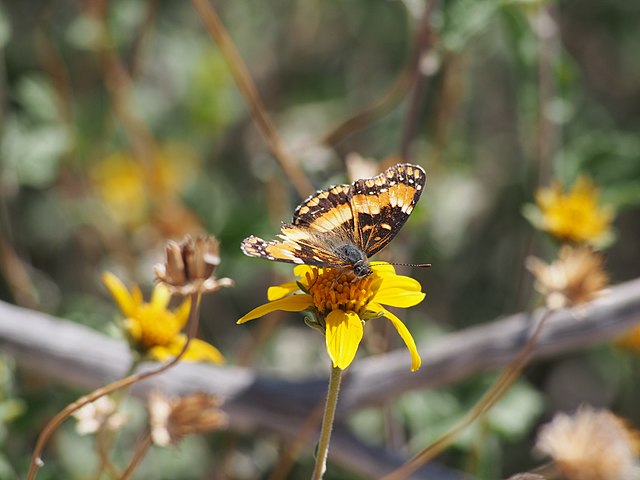
As a gardener or someone concerned about the environment, you may have observed fewer bees, butterflies, and other pollinators visiting your garden. This decline isn’t just a local issue; it’s a global problem affecting pollinator populations worldwide. The consequences of their shrinking numbers can significantly impact our food systems, local economies, and environmental health.
Loss of pollinator habitats, harmful pesticide exposure, and climate change contribute to the decline of these critical creatures. As their numbers drop, so does the pollination of many plant species, which then affects the availability and diversity of food sources for humans and wildlife. This alarming trend should motivate us all to act and preserve and protect these invaluable species.
It’s crucial to recognize the urgency in addressing this issue and understand that our combined efforts can make a difference. By creating pollinator gardens that offer necessary resources for pollinators to thrive, we can start reversing this troubling trend and contribute to a healthier, more balanced ecosystem. As we collaborate in creating these pollinator-friendly spaces, we can also engage with our communities, share our knowledge, and inspire others to join in.
Now is the time to act and positively impact the environment by creating pollinator-friendly gardens that help protect these essential species’ future. As we embark on this journey, let’s remember the importance of our individual contributions and the power we have in shaping a more sustainable and healthier world for generations to come.
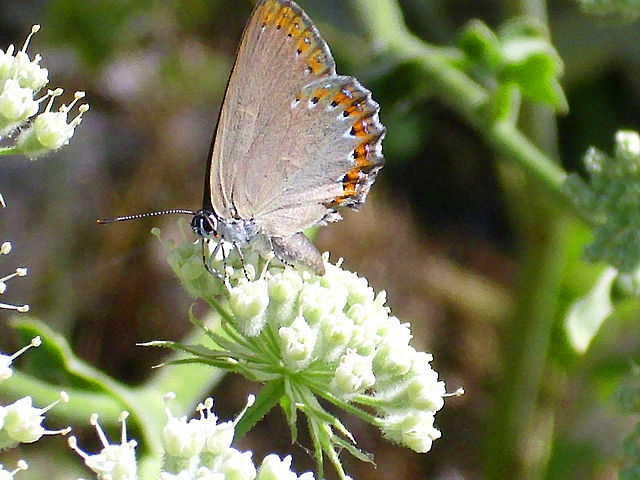
To create a successful pollinator garden that attracts various beneficial insects and supports a sustainable environment, follow these vital steps:
1. Site Selection: Pick a spot in your yard with enough sunlight (at least 6 hours a day) and well-draining soil. Pollinator-friendly plants usually prefer sunny locations and placing the garden near a natural water source or adding a birdbath can provide needed hydration for the pollinators.

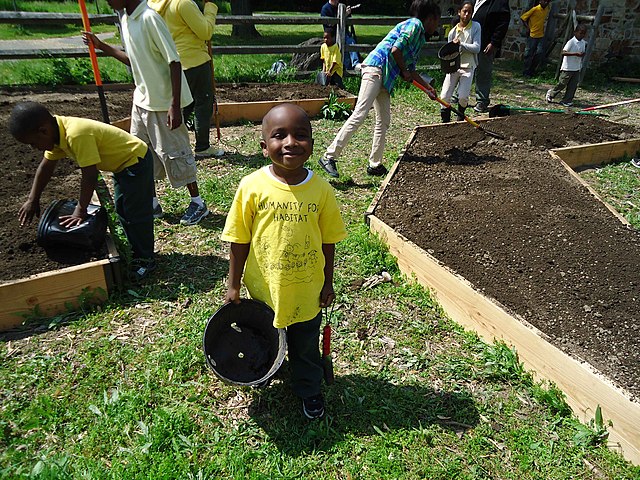
2. Bed Preparation: Start by removing any existing grass or weeds from the selected site. It’s crucial to build a healthy foundation for your new plants, so think about testing the soil for nutrient levels and pH balance. Improve the soil as needed with organic matter like compost, aged manure, or leaf mold to enhance its fertility and structure.
3. Plant Selection: Choose a range of native plants that bloom at different times during the growing season, providing a continuous source of nectar and pollen for pollinators. Include a mix of annuals, perennials, shrubs, and trees to create a diverse and layered habitat. Be sure to incorporate plants with various flower shapes, sizes, and colors to cater to different pollinator preferences. Find our recommendations for plant selection here.
4. Plant Arrangement: Arrange plants in clusters or drifts to create a visually appealing garden and make it easier for pollinators to find the flowers. Position taller plants in the back or center of the garden and shorter plants towards the front or edges. This arrangement will ensure that all plants receive adequate sunlight and create a more natural-looking habitat for pollinators.
5. Maintenance: Water newly planted gardens regularly until the plants are well-established. Then, adjust your watering schedule based on your plants’ specific needs and local climate conditions. Avoid using chemical pesticides or herbicides, as these can harm pollinators and disrupt your garden ecosystem’s natural balance. Instead, choose organic pest control methods and promote a healthy environment for beneficial insects.

Embracing the creation of a pollinator garden is a testament to good stewardship and a commitment to the preservation of our ecosystem. As gardeners and environmentally conscious individuals, our actions play a vital role in ensuring the sustainability of our food supply and the overall health of our local environment. By transforming our outdoor spaces into thriving havens for pollinators, we are actively contributing to the conservation of these crucial creatures and embodying the values of responsible stewardship.
As you embark on this journey to create a pollinator-friendly garden, remember that your efforts exemplify the principles of conservation and sustainability. Your pollinator garden not only serves as a personal achievement but also as a way to engage with your community, share your knowledge, and inspire others to practice good stewardship. With each new garden, we are collectively reversing the decline in pollinator populations and ensuring the future of these invaluable species. So, take pride in your pollinator garden and the positive impact it has on the environment, knowing that your actions as a responsible steward are contributing to a brighter, more balanced ecosystem for all.
 Carolina Permaculture