Hello, dear Carolina Permaculture community! If you’re looking to create a haven for pollinators right at your home, you’re in the perfect spot. As you may know, pollinators play a vital role in our ecosystem, and with their populations declining, it’s more important than ever to support them. Today, we’re thrilled to share with you a list of 15 native plants, specifically chosen for the Southeastern United States area and climate, which will not only add beauty to your garden but also provide valuable resources for pollinators. We’ve also included some reputable online sources where you can purchase these plants to ensure you’re off to a fantastic start. So, let’s dive in and explore these wonderful plants that will help you create a friendly, inviting, and supportive environment for pollinators right in your own backyard. Happy gardening!
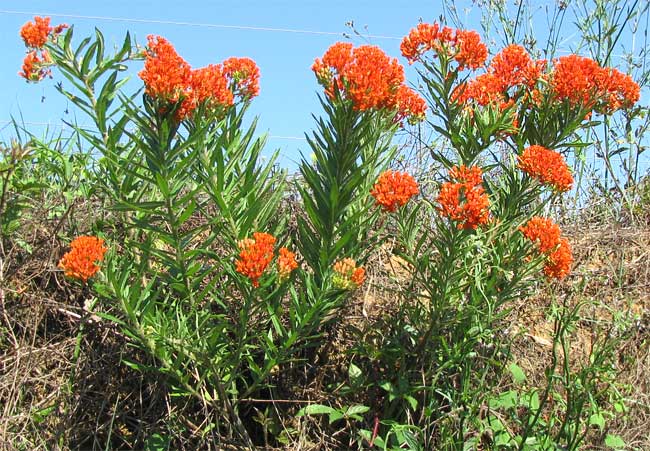
1. Butterfly Weed (Asclepias tuberosa)
http://www.backyardnature.net/n/08/080630.htm
Butterfly weed is a vibrant, low-maintenance perennial that attracts butterflies, bees, and hummingbirds with its bright orange flowers. This plant is a critical host for the monarch butterfly, as it provides essential food for their larvae.
Online source: https://www.prairiemoon.com/asclepias-tuberosa-butterfly-weed-prairie-moon-nursery.html
2. Purple Coneflower (Echinacea purpurea)
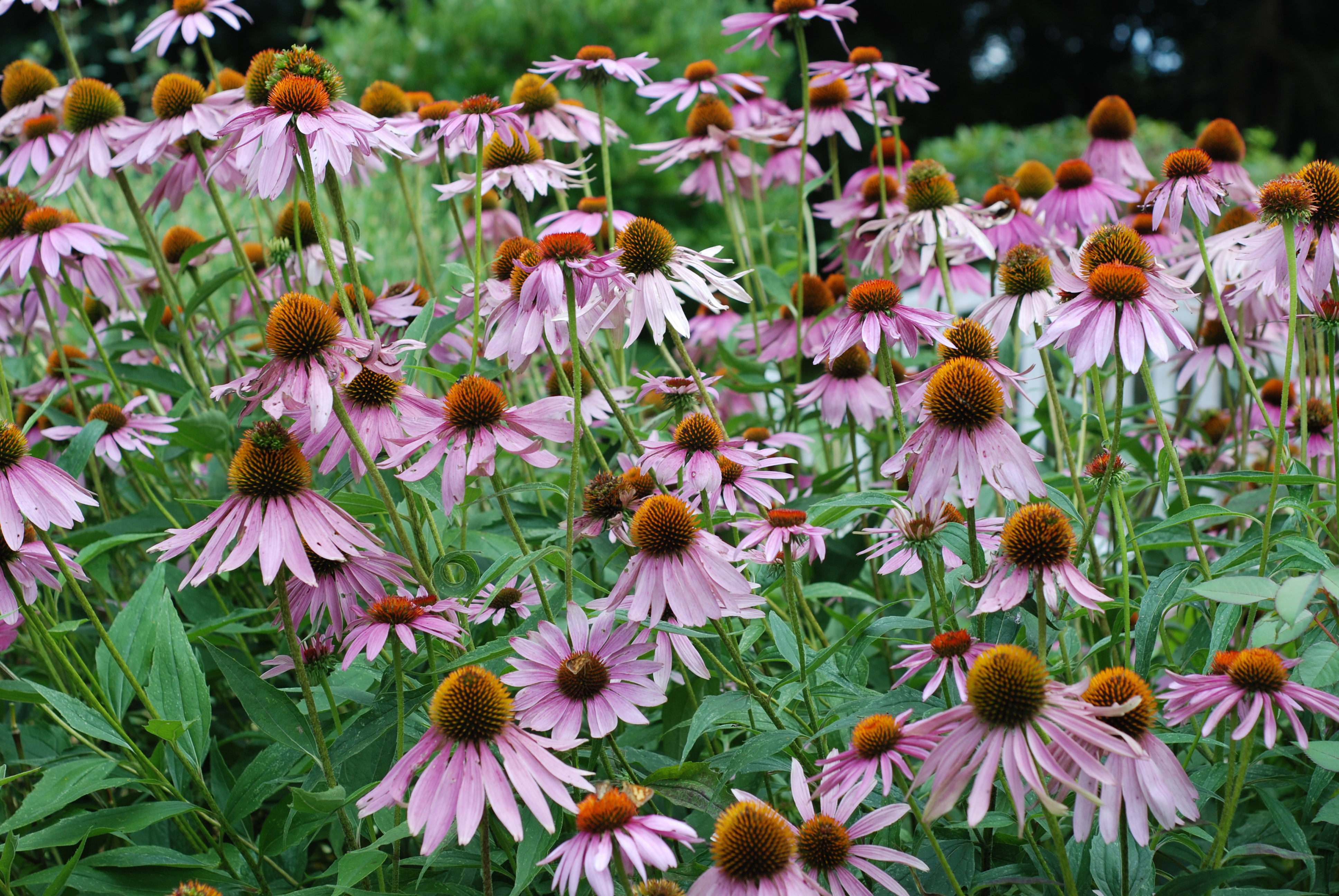
Purple coneflower is a versatile plant that produces large, showy flowers, attracting a variety of pollinators. It’s also a popular choice for medicinal use, as it’s known to boost the immune system.
Online source: https://www.highcountrygardens.com/perennial-plants/echinacea/echinacea-purpurea
3. Black-Eyed Susan (Rudbeckia hirta)
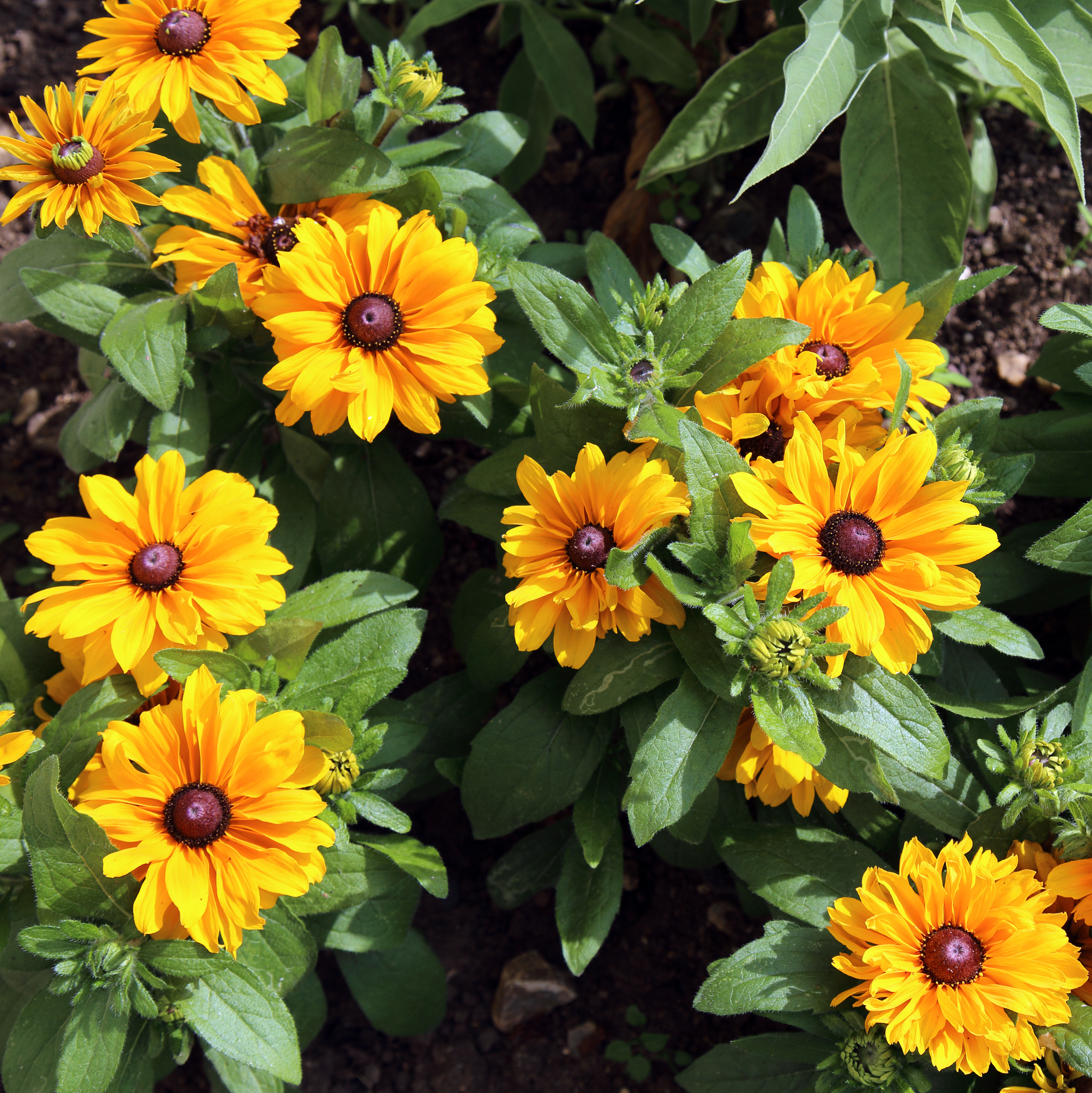
This cheerful, low-maintenance wildflower is a staple in pollinator gardens. It attracts butterflies, bees, and other pollinators with its bright yellow flowers and dark brown centers.
Online source: https://www.highcountrygardens.com/wildflower-seeds/individual-species/rudbeckia-hirta-seeds
4. Joe-Pye Weed (Eutrochium purpureum)
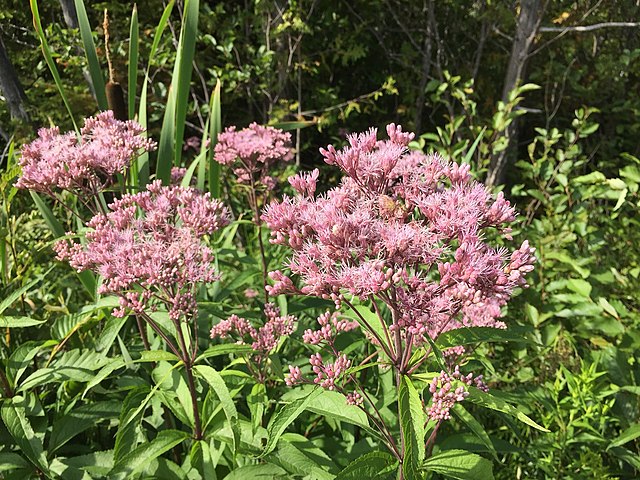
Joe-Pye weed is a tall, native perennial that produces clusters of pinkish-purple flowers. It’s an excellent choice for the back of a border or a rain garden, attracting butterflies and bees.
Online source: https://www.prairiemoon.com/eupatorium-purpureum-sweet-joe-pye-weed-prairie-moon-nursery.html
5. Bee Balm (Monarda didyma)
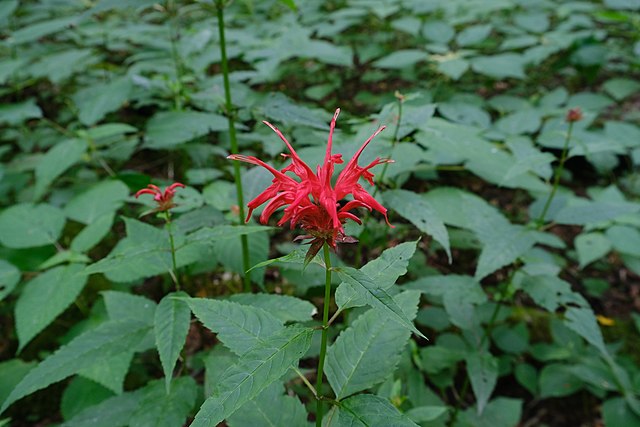
Bee balm is a versatile, fragrant plant that attracts hummingbirds, butterflies, and bees. It produces vibrant red, pink, or purple flowers and is an excellent addition to a pollinator garden. Online source: https://www.bluestoneperennials.com/plant-finder/?search=Monarda%20didyma
6. Swamp Milkweed (Asclepias incarnata)

Swamp milkweed is another essential host plant for monarch butterflies. It produces clusters of pink flowers and is a great choice for rain gardens or damp areas.
Online source: https://www.prairiemoon.com/asclepias-incarnata-rose-milkweed-prairie-moon-nursery.html
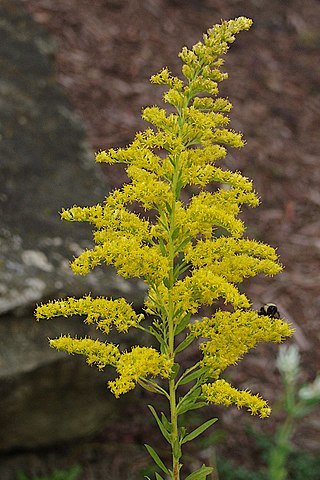
7. Goldenrod (Solidago spp.)
Cbaile19
Goldenrod is a late-season bloomer that provides essential nectar sources for pollinators as other flowers begin to fade. It’s available in various species, so you can choose the perfect one for your garden.
Online source: https://www.prairiemoon.com/solidago-speciosa-showy-goldenrod-prairie-moon-nursery.html
8. Eastern Redbud (Cercis canadensis)

Eastern redbud is a small, native tree that produces an explosion of pinkish-purple flowers in early spring. It’s a popular choice for both pollinators and birds.
Online source: https://www.naturehills.com/eastern-redbud
9. Wild Bergamot (Monarda fistulosa)
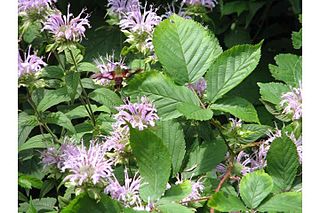
Wild bergamot, also known as bee balm, is a fragrant perennial that produces lavender-colored flowers. It attracts bees, butterflies, and hummingbirds, making it an excellent addition to a pollinator garden.
Online source: https://www.prairiemoon.com/monarda-fistulosa-wild-bergamot-prairie-moon-nursery.html
10. Swamp Sunflower (Helianthus angustifolius)
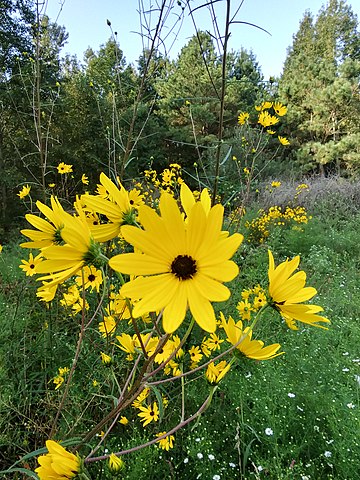
Swamp sunflower is a native perennial that produces stunning yellow flowers in late summer and fall. This tall, moisture-loving plant attracts a variety of pollinators and is an excellent choice for damp or poorly drained areas.
Online source: https://www.prairiemoon.com/helianthus-angustifolius-swamp-sunflower
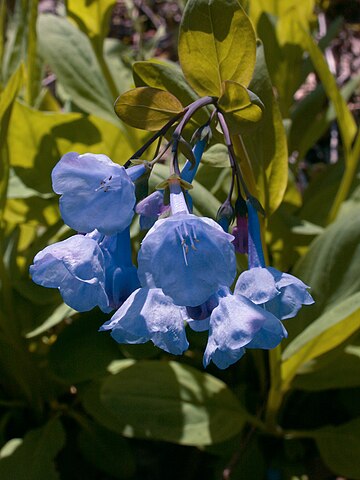
11. Virginia Bluebells (Mertensia virginica)Virginia bluebells are a spring-blooming perennial with delicate blue flowers that attract bees, butterflies, and hummingbirds. They make a lovely addition to a woodland or shade garden.
Online source: https://www.prairiemoon.com/mertensia-virginica-virginia-bluebells-prairie-moon-nursery.html12. Cardinal Flower (Lobelia cardinalis)
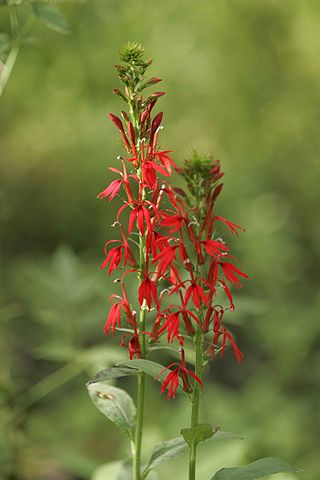
Cardinal flower is a native perennial known for its striking red flowers that attract hummingbirds and other pollinators. It prefers moist soil, making it suitable for rain gardens or along water features.
Online source: https://www.prairiemoon.com/lobelia-cardinalis-cardinal-flower-prairie-moon-nursery.html
13. New England Aster (Symphyotrichum novae-angliae)
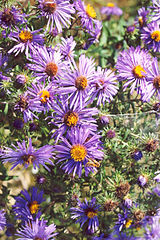
New England aster is a late-blooming native perennial that produces an abundance of purple flowers, providing a crucial nectar source for pollinators preparing for winter.
Online source: https://www.prairiemoon.com/symphyotrichum-novae-angliae-new-england-aster
14. Wild Indigo (Baptisia tinctoria)
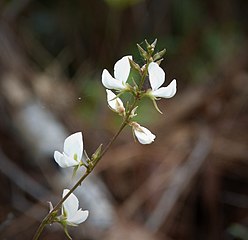
Wild indigo is a native perennial with striking blue flowers that attract bees and butterflies. It’s a low-maintenance plant that adds a touch of elegance to any pollinator garden.
Online source: https://www.prairiemoon.com/baptisia-tinctoria-sm-yellow-wild-indigo-prairie-moon-nursery.html
15. Blazing Star (Liatris spp.)
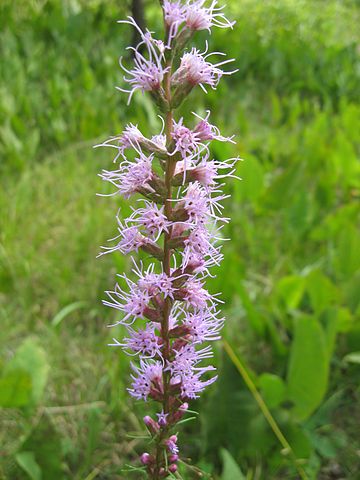
Blazing star, available in various species, produces tall spikes of purple or white flowers that attract butterflies and other pollinators. This native plant adds height and visual interest to a pollinator garden.
Online source: https://www.prairiemoon.com/search.html?Search=Blazing+Star
In conclusion, our Carolina Permaculture community, remember that every plant you choose to include in your garden can make a difference for our precious pollinators. By selecting native plants that are well-suited to the Southeastern United States climate, you’re not only beautifying your home but also providing essential food and habitat for these vital creatures. We hope that this list of plants inspires you to create a stunning and functional pollinator haven in your own backyard. If you have any questions or need further assistance, don’t hesitate to reach out to us. We’re always here to help you on your permaculture journey. Happy gardening, and may your garden be a buzzing, fluttering paradise for pollinators!
 Carolina Permaculture

One thought on “Create a Pollinator Paradise: 15 Native Plants for Southeastern US Gardens”