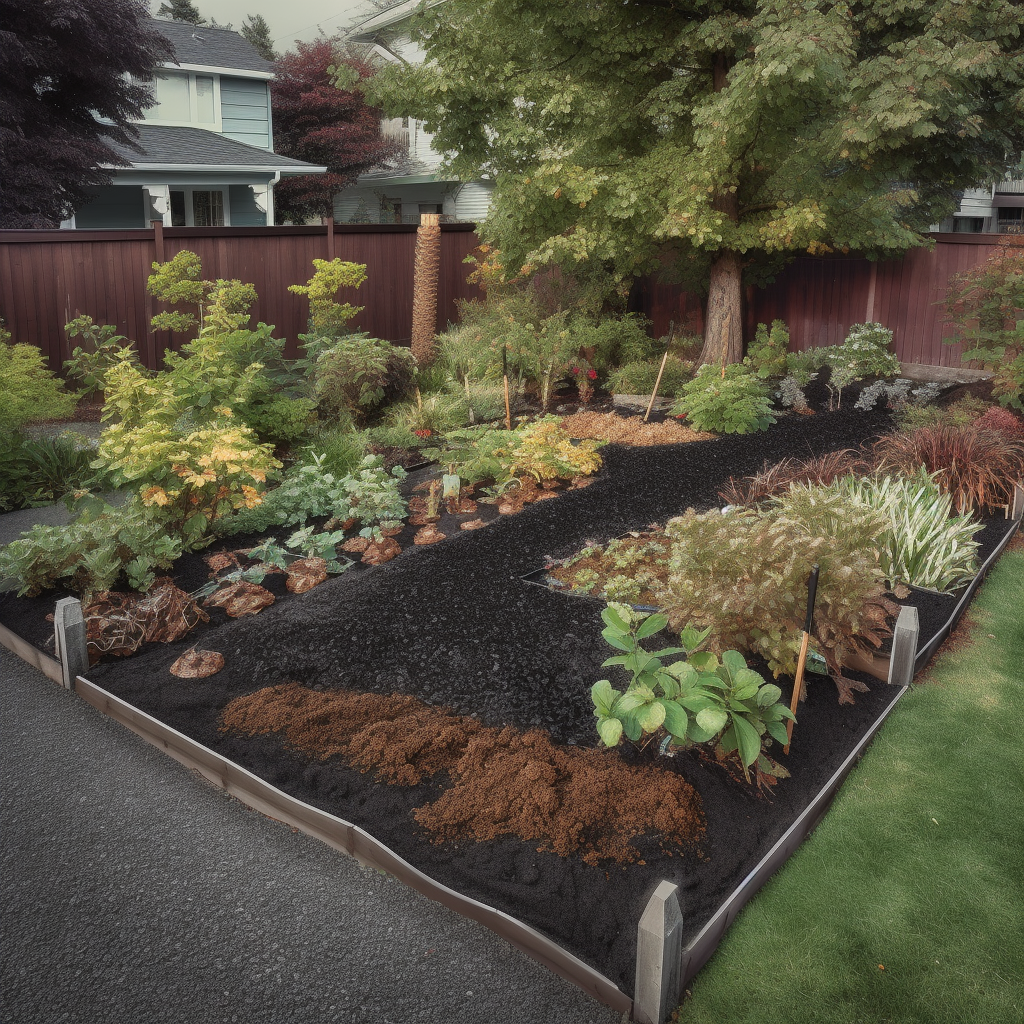
Are you looking to give your garden a boost and improve the health of your soil?
Look no further than the power of organic mulch. In this blog post, we’ll delve deeper into the world of mulching, explaining how to source or create your own mulch, the proper way to apply it, and the numerous benefits it offers. Plus, we’ll share some top product recommendations that you can try out in your garden today.
Procurement and Creation of Organic Mulch
There are numerous options when it comes to sourcing or creating organic mulch. Here are some popular choices:
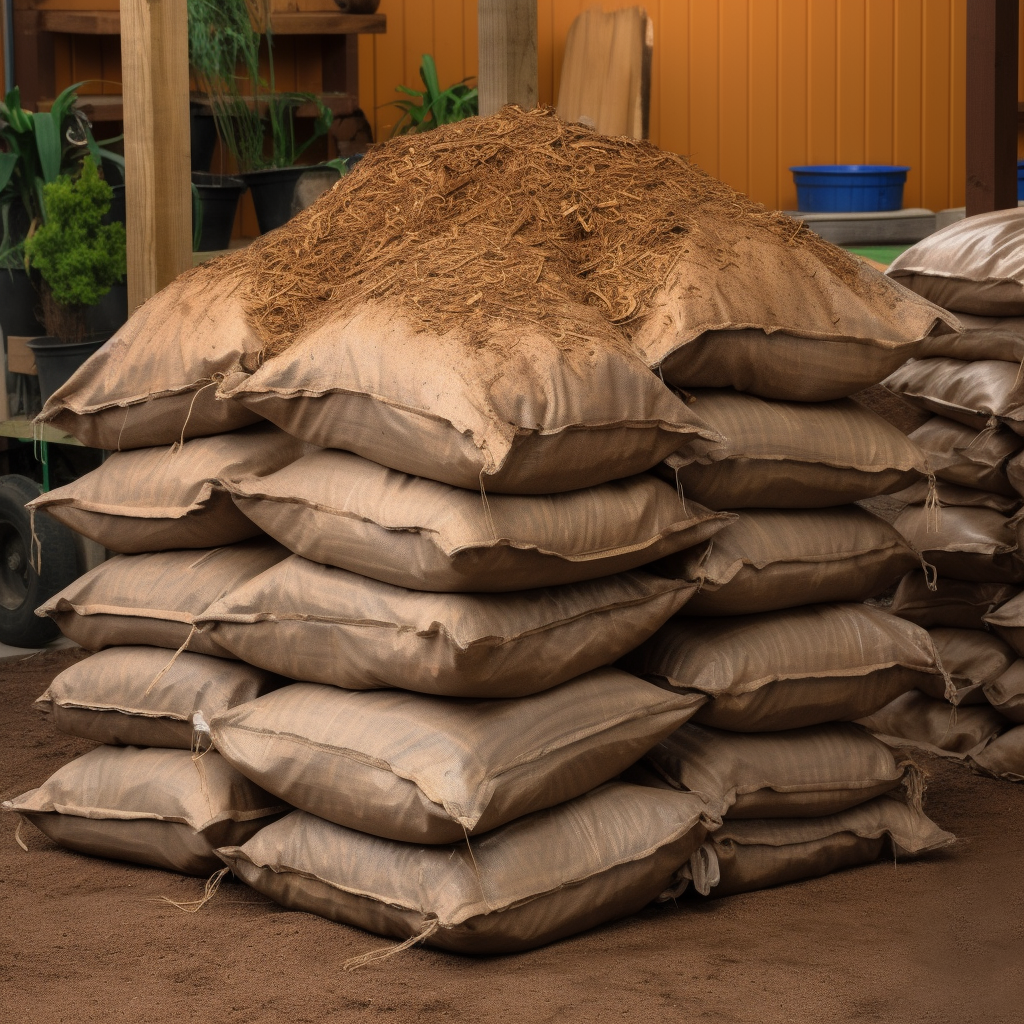
• Purchase bagged mulch: Organic mulches such as wood chips, straw, or shredded bark can be easily found at your local garden center.

• Collect leaves: Rake up fallen leaves in the autumn and shred them using a leaf shredder or lawn mower. The shredded leaves can then be used as mulch for your garden beds.

• Use grass clippings: Freshly cut grass clippings can be used as mulch but be sure to let them dry out for a day or two to avoid clumping and matting.
To apply mulch correctly, follow these simple steps:
• Clear the area: Remove weeds and debris from the area you plan to mulch.
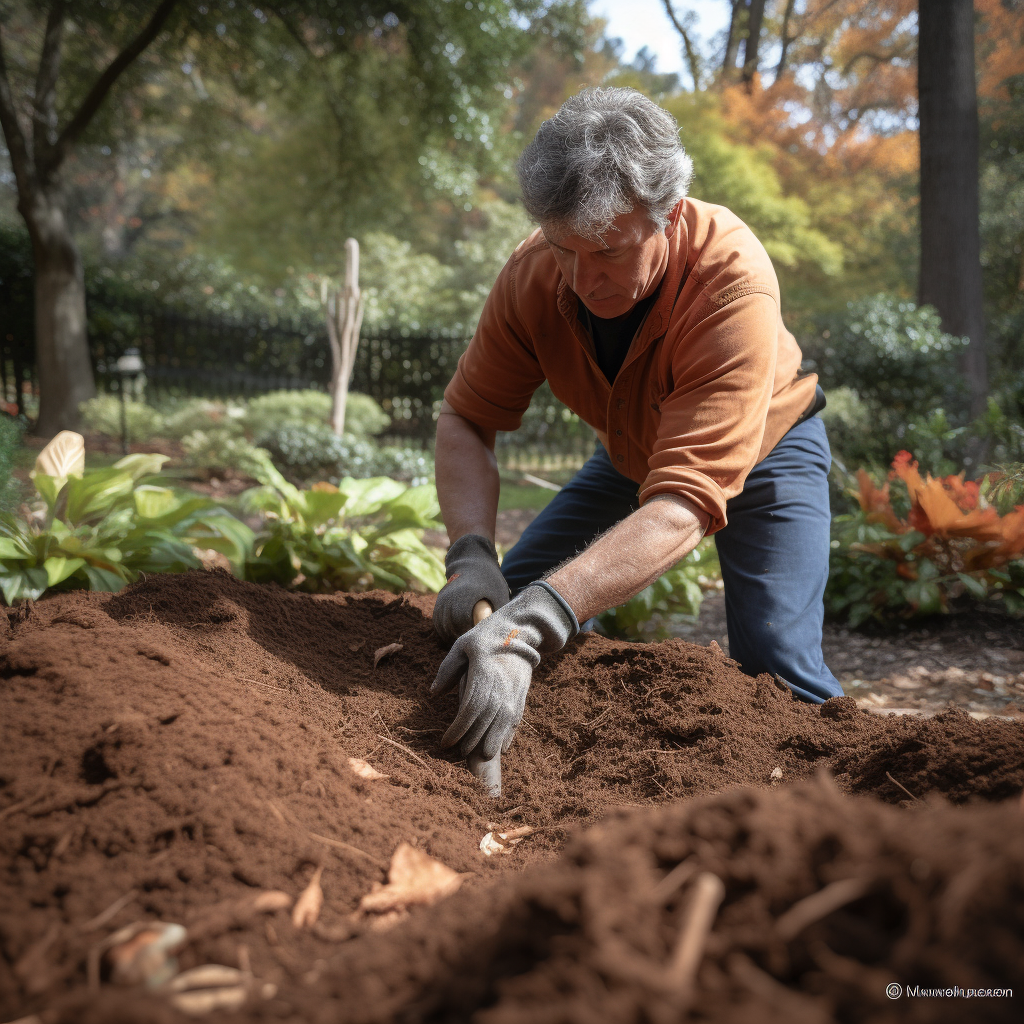
• Apply the mulch: Spread a 2–4-inch layer of organic material evenly over the soil surface. Be cautious not to pile mulch against plant stems or tree trunks, as this can lead to rot and pest issues.
• Maintain the mulch: Replenish the mulch as needed, typically once or twice a year, to maintain the desired thickness.
Expected Benefits of Mulching
Mulching offers a range of benefits for your soil and plants, including:
• Improved soil structure: As organic mulch decomposes, it adds valuable nutrients to the soil and promotes microbial activity, leading to healthier soil.
• Enhanced moisture retention: Mulch helps the soil retain moisture by reducing evaporation, meaning you’ll need to water your plants less frequently.

• Temperature regulation: Mulch acts as an insulator, keeping soil temperatures more consistent and protecting plant roots from temperature extremes.
• Weed suppression: A layer of mulch can help prevent weed growth by blocking sunlight and making it more difficult for weeds to take root.
• Attraction of beneficial organisms: Earthworms and other helpful critters are drawn to the rich, moist environment created by mulch, further improving soil health.
Conclusion:
Embracing the power of organic mulch is a simple and effective way to improve the health of your soil, leading to a more vibrant, productive garden. By choosing the right mulch material, applying it correctly, and enjoying the numerous benefits it offers, you’ll be well on your way to a thriving, sustainable landscape. Take the first step towards a flourishing garden today by incorporating organic mulch into your gardening routine! Experience the difference it can make in your landscape and join countless other garden enthusiasts who have reaped the rewards of healthier soil and vibrant plants. Don’t wait any longer – make the smart choice now and transform your garden into a sustainable paradise! 🌱🌻🌿
#GoOrganicMulch #HealthyGardensMatter
 Carolina Permaculture