Many people dream of transforming a barren piece of land into a lush, thriving garden. But how do you go about rejuvenating a plot of land with poor or degraded soil? The answer lies in permaculture, an ecological design system that works with nature to create sustainable, self-maintaining landscapes. In this blog post, we’ll explore three simple steps you can take to improve soil microbiology and bring life back to marginal land.
Step 1: Mulching – The Foundation of Soil Health

One of the most effective ways to create a healthy environment for soil microbes is by adding a layer of mulch. Mulch acts as a protective barrier, shielding the soil from erosion, temperature extremes, and water loss. Organic mulch, such as straw, wood chips, or dried leaves, decomposes over time, providing a consistent supply of nutrients to the soil and promoting microbial activity.
To get started with mulching, simply spread a 2-4 inch layer of organic material over the surface of your marginal land. Over time, the mulch will decompose and enrich the soil, while also attracting earthworms and other beneficial organisms.
Step 2: Planting Nitrogen-Fixing Cover Crops

One of the major challenges of marginal land is the lack of available nutrients, particularly nitrogen, which is essential for plant growth. To address this issue, you can plant nitrogen-fixing cover crops like clover, vetch, or alfalfa. These plants form a symbiotic relationship with bacteria in their root nodules, which convert atmospheric nitrogen into a form that plants can use.
By planting these cover crops, you’re not only adding nitrogen to the soil, but you’re also providing organic matter and protecting the soil surface from erosion. Once the cover crops have grown, you can either cut them down and let them decompose on the surface or turn them under the soil as a green manure to add even more organic matter and nutrients.
Step 3: Establishing a Diverse Community of Plants

A diverse plant community is crucial for maintaining a healthy soil microbiology. Different plant species attract different types of beneficial microorganisms and insects, promoting a more robust and resilient ecosystem. To encourage this diversity, plant a mix of perennials, annuals, and trees or shrubs suited to your climate and soil conditions.
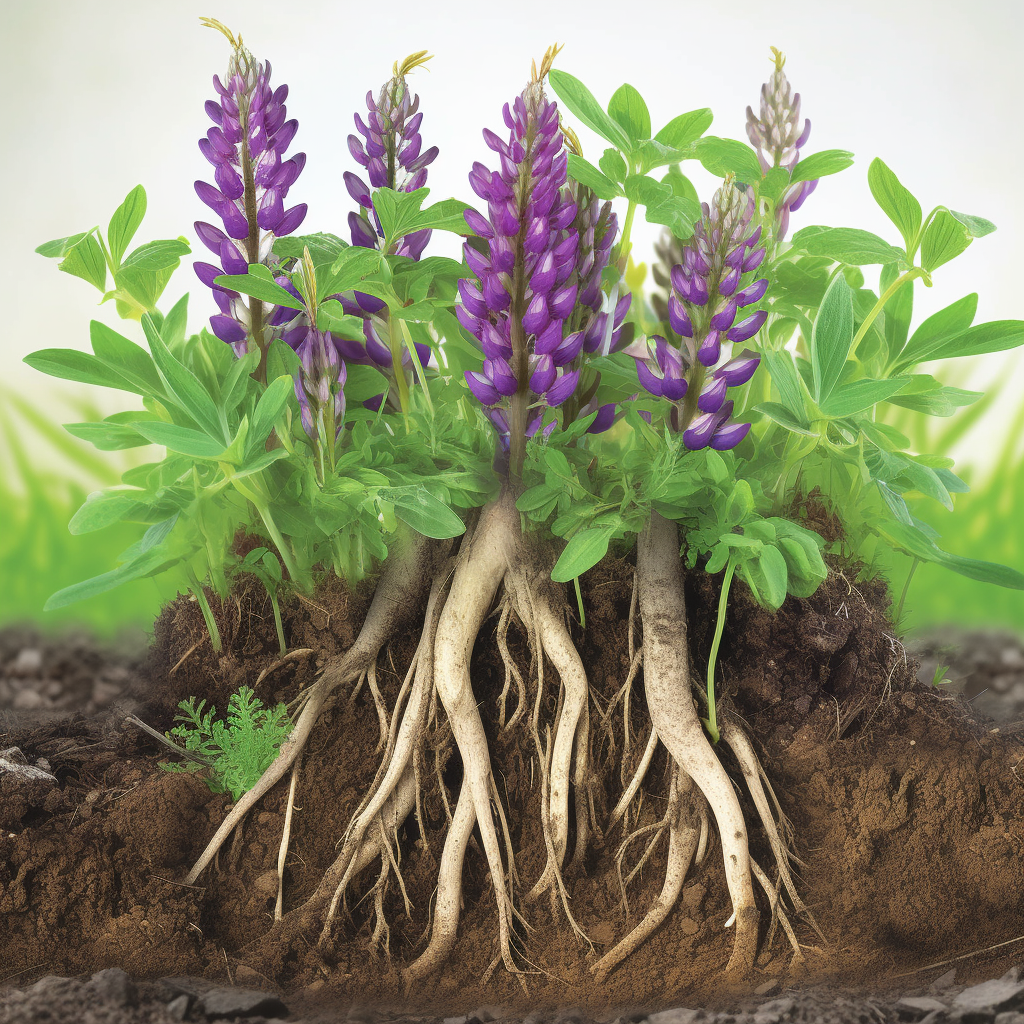
Consider incorporating native plants, as they are already adapted to the local conditions and will require less maintenance. Additionally, plant species with deep roots, such as comfrey or lupine, can help break up compacted soil and bring nutrients from the subsoil to the surface.
Conclusion:

Revitalizing marginal land may seem like a daunting task, but with these three permaculture-inspired steps, you’ll be well on your way to creating a thriving, self-sustaining ecosystem. By mulching, planting nitrogen-fixing cover crops, and establishing a diverse plant community, you’ll create the conditions necessary for soil microbiology to flourish, turning your once-barren plot into a lush, productive garden.
 Carolina Permaculture